Page Teardown
/// Content & Conversion Audit
I read your pages the way your buyer does, back every finding with your own analytics, and rank them by what they're costing you. Then I hand over the rewritten copy and layout to fix the top ones. No 60-page PDF you'll never open.





Most conversion audits get run by someone who can spot the problem but can't write or build the solution.
So you get sixty pages telling you the value proposition is weak and the CTA needs work, with no replacement headline and no layout to put it in. Then it sits in a shared drive while your team argues about which of the forty findings to start with.
That's how you end up paying for a diagnosis you never act on, or shipping the easy cosmetic fixes while the expensive problem stays exactly where it was. The gap isn't insight. It's the follow-through.
I audit the page, rank what it's costing you, and write the replacement copy and layout myself, so the report arrives with the fix already attached.



/// WHAT YOU GET
Page Teardown
Content Audit
Fix Roadmap

Rewrites
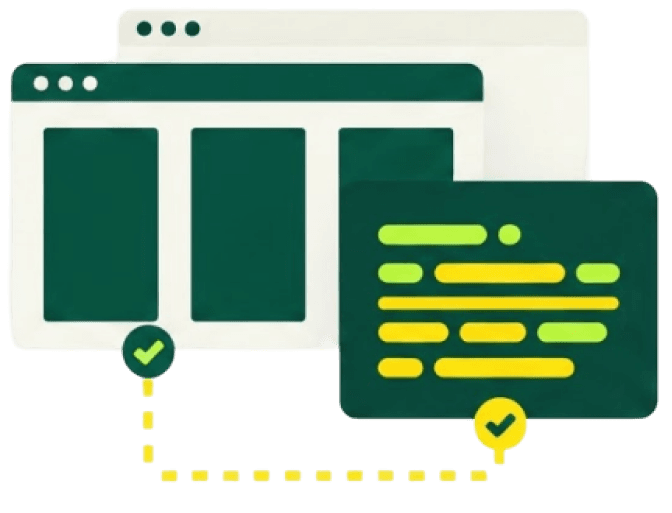
A section-by-section read of the pages that matter, in the order a visitor meets them. Every friction point is written down with the reason it costs you something, so a finding can be argued with rather than taken on taste.
What each page currently claims, who it is aimed at, and where two pages compete for the same search or contradict each other. This is usually where the quiet losses sit — not in one bad page, but in five overlapping ones.
Every finding ranked by what it appears to be costing against what it takes to fix, using your own analytics rather than general best practice. You get an order to work in, not ninety items all marked urgent.
The copy and layout for the highest-cost findings, written and handed over ready to ship. The report arrives with the fix attached instead of leaving you to brief someone else on it.
/// Why My Audit
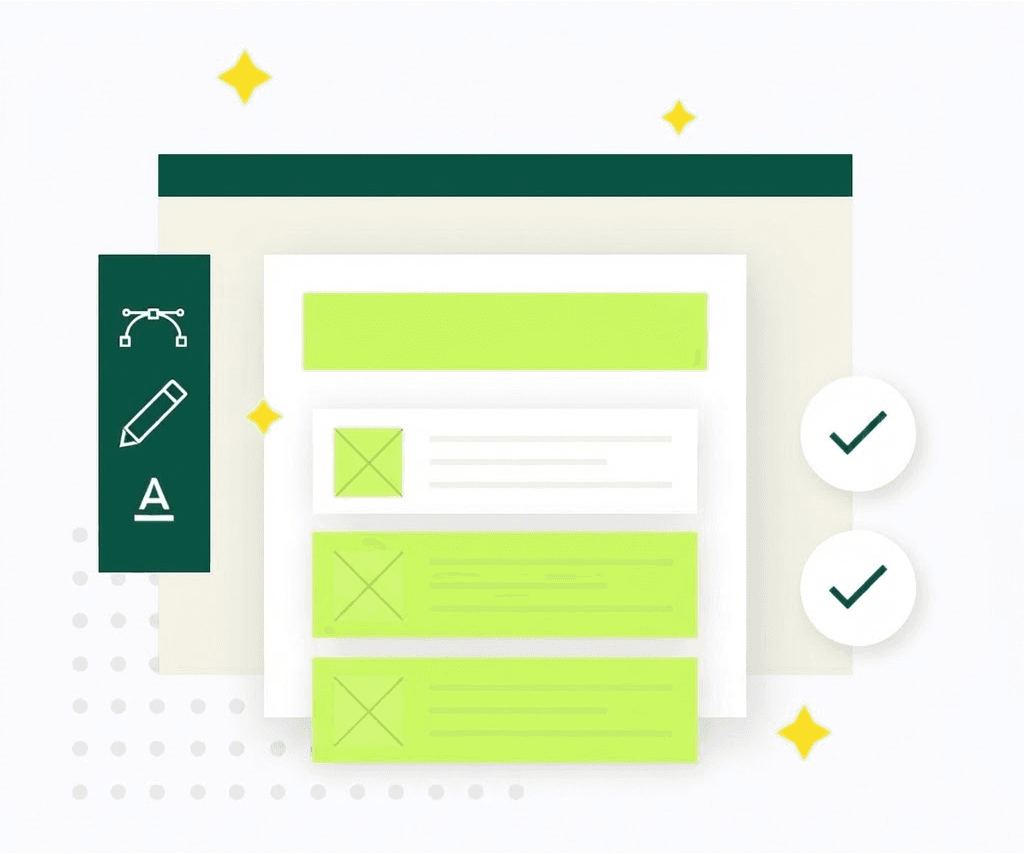

Every issue gets scored on how much traffic it touches and how hard it is to fix, then sorted. You start with the change that moves the most revenue for the least effort instead of working alphabetically through a list of forty things.
Each finding is backed by something you can check yourself: a session recording, a heatmap, a funnel drop-off, or a search query with clear intent. If I can't point to why it's a problem, it doesn't go in the report.
Most audits look at either the words or the interface, never both. I read the page as a visitor does, so I can tell whether the drop-off is a confusing headline, a badly placed CTA, or a form asking for too much too early.
"Strengthen the value proposition" is not a deliverable. The high-priority findings come with the actual replacement headline, section order, or CTA copy written out, so your team can ship the fix the same week.
Each recommendation comes with the metric it should move and how long to watch it. That way you can prove whether the change worked instead of relying on anyone's taste, mine included.
/// Who the Audit Is For
An audit is worth paying for once there is enough behaviour to read. Before that there is nothing to analyse, and the honest advice is to spend the money on traffic first.
Where the click is bought and then wasted. Paid traffic makes every page weakness expensive immediately, which also makes it the easiest place to prove a fix paid for itself.
Auditing before a redesign is what stops you paying to rebuild the same mistakes in a nicer typeface. It also tells you which pages to leave alone.
Rankings are fine, sessions are fine, the contact form is quiet. The problem is somewhere between arrival and action, and analytics alone rarely says where.
Carts filled and abandoned. Each step between add-to-cart and confirmation is a place to lose someone, and usually one specific step is doing most of the damage.
One person says the headline, another says the button colour, a third says the price. An audit replaces opinions with an order of work backed by your own numbers.
/// Our Work Process
Before I form an opinion, I look at what already happened. Analytics, Search Console, funnel drop-off, heatmaps, and session recordings tell me where people leave and what they were trying to do. That's how the audit stays about your visitors instead of my preferences.
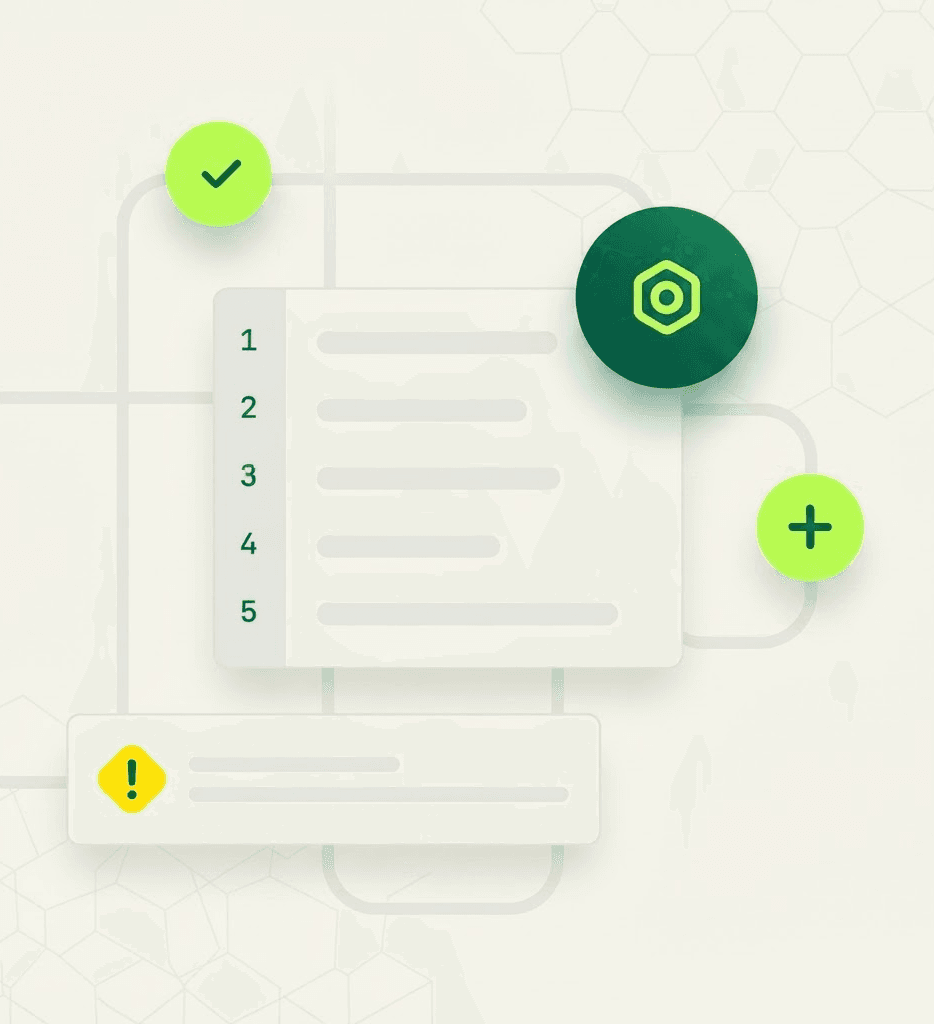
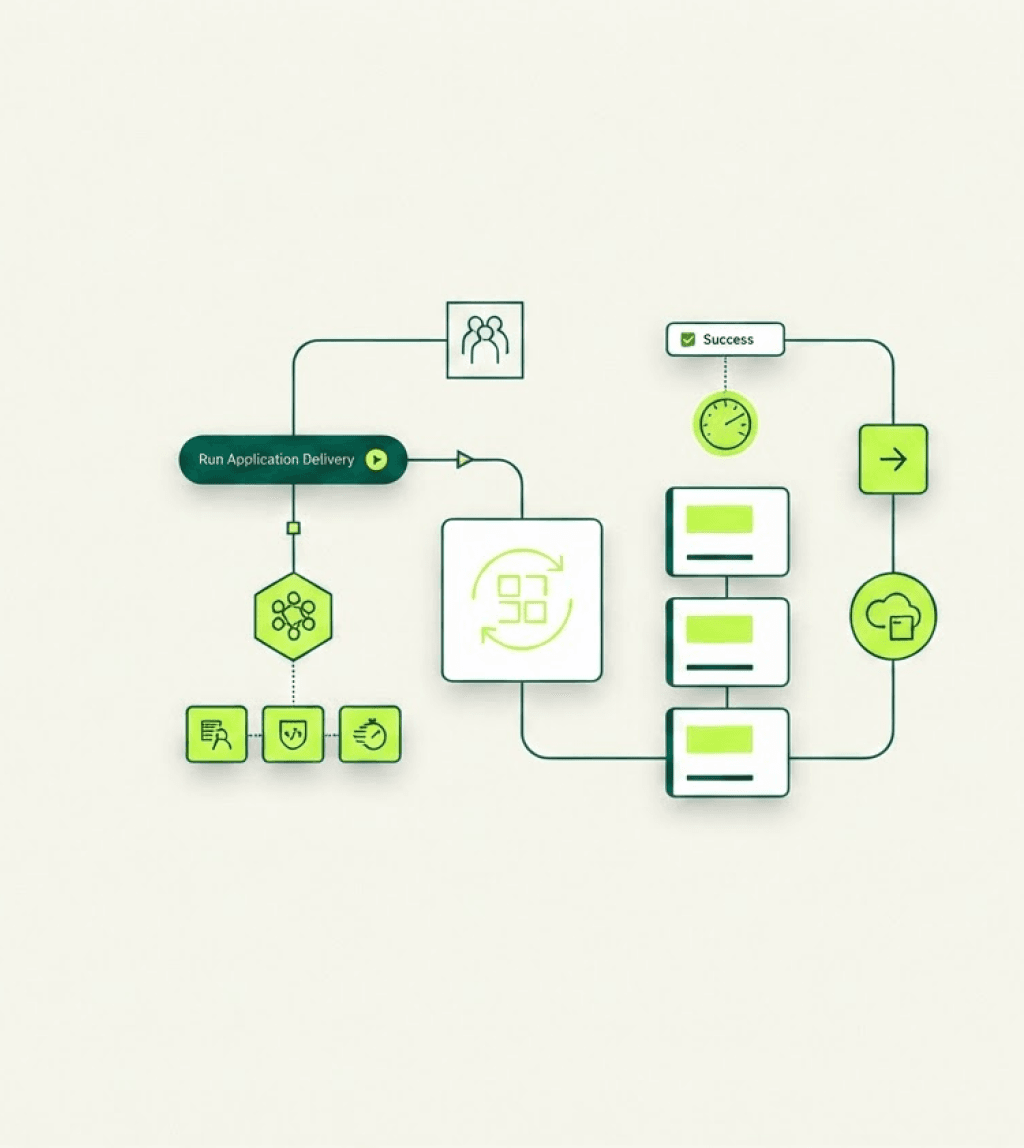
Then I go through the pages that matter the way a first-time buyer does. Message clarity, scan path, proof placement, form friction, mobile behaviour, and load speed all get reviewed together, because a conversion problem is rarely just a copy problem or just a design one.
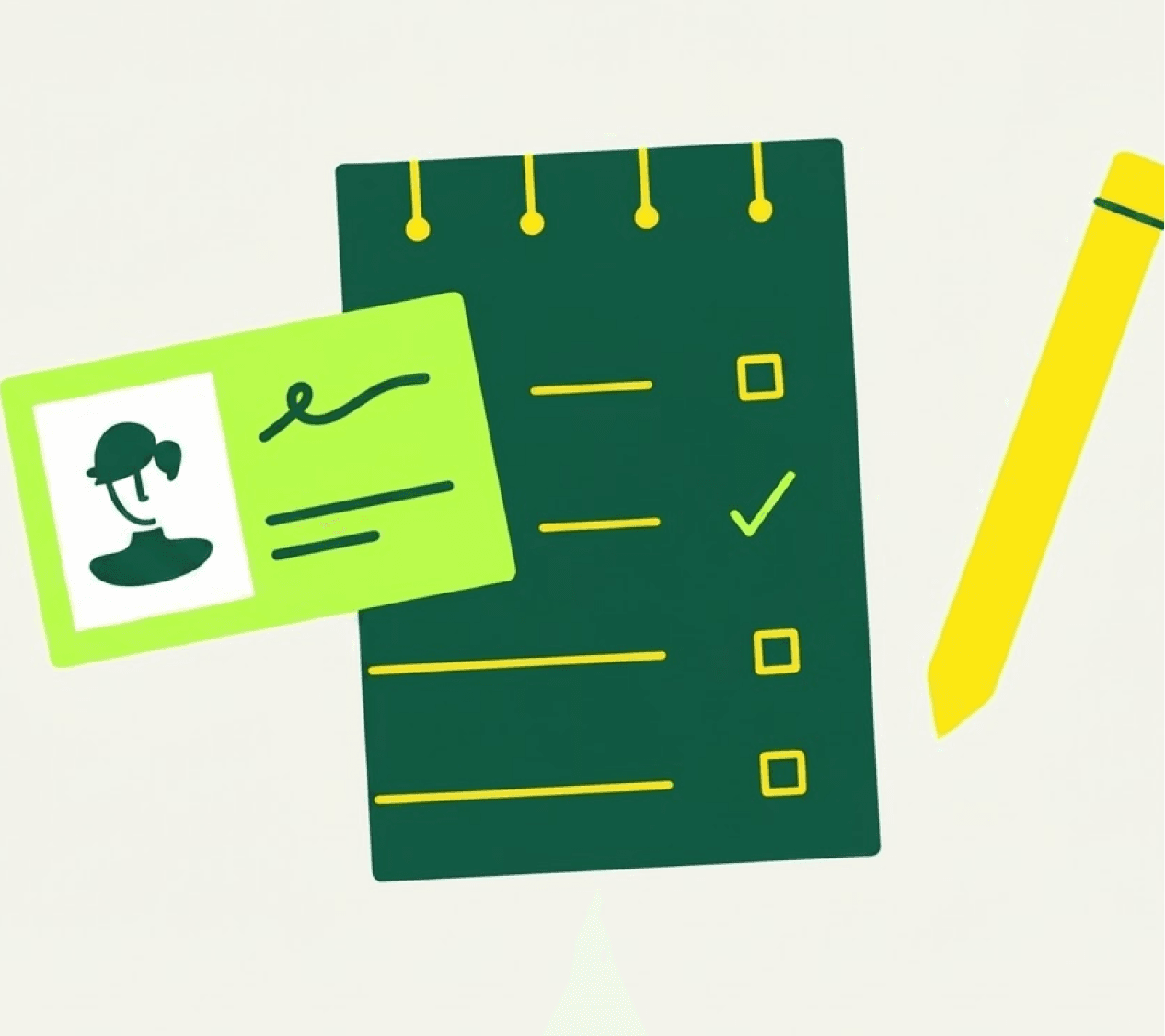
Every finding gets scored on the traffic it affects, the likely lift, and the effort to fix, then ranked into a roadmap. You get a short list of what to do this week, what to queue next, and what genuinely isn't worth your time yet.
I walk your team through the findings live, hand over the rewritten copy and layout notes for the top priorities, and can implement them myself if you'd rather not queue it. Then we measure against the baseline instead of assuming it worked.
/// What I Won't Do
A useful audit is defined by what it refuses to pad itself with. These are the habits I skip, keeping the findings specific, honest, and short enough that your team actually ships them.
Length is not depth. You get a short, ranked list of findings with the fix written next to each one, plus a recorded walkthrough. Everything in it is something you can assign to someone on Monday.
"Add social proof" and "make the CTA above the fold" apply to every site on the internet, which makes them worth nothing to yours. Every finding here points at a specific page, a specific element, and a specific drop-off.
If a recommendation is a judgement call, I say so and explain the reasoning. If it's backed by a recording, a funnel, or a search query, I show you where to look. You always know which one you're reading.
An unranked list of forty issues is a way to guarantee nothing gets fixed. Everything is scored on impact against effort, so you know exactly what to do first and what can safely wait a quarter.
Years of experience
Repeat clients
Successful projects
Pages audited

/// What the Audit Looks At
Generic advice is free and mostly useless — it describes an average site, and you do not have one. Findings here come from evidence about your pages, gathered before any recommendation is written.
Where visitors enter, how far they get, and which step loses them. The pages with the worst numbers are rarely the ones people assume, which is exactly why guessing is expensive.
What people searched before landing, matched against what the page then says. A mismatch here produces traffic that bounces and looks like a design problem.
Each page read the way a buyer meets it — cold, sceptical, and in a hurry — noting where the argument stops making sense rather than where it breaks a rule.
Every step between interest and action: forms, required fields, error states, confirmation. Friction is usually plural and small rather than singular and obvious.
Load time, layout shift, and mobile behaviour, because a page nobody waits for cannot convert regardless of what it says.
What the pages ranking above you do differently for the same search, treated as evidence about buyer expectation rather than a list to copy.
What an audit cannot promise is a percentage. Anyone guaranteeing an uplift before reading your pages is quoting a number they invented — the findings come first, and the size of the win is only knowable afterwards.
Most audits end at the report, because the person who wrote it can't write the replacement copy or rebuild the section. I write, design, and build, so the findings arrive with the actual fix attached and I can ship it for you if your team is already at capacity.
Evidence-Backed Findings
Impact-Ranked Roadmap
Rewritten Copy Included
Measured Against Baseline
Pages audited
Avg. conversion lift
Happy Clients
Industry
/// What I Audit
The page most people judge you on and the hardest one to get right, because it has to serve four audiences at once. I check whether a first-time visitor understands what you do, who it's for, and where to go next inside the first screen.
/// Project Scope
An audit is priced on how much there is to read and how much of the fix comes with it. Reviewing three pages and reviewing a hundred-page store are different pieces of work.
How many unique page types are in scope, rather than raw page count — twenty pages on one template read as roughly one page.
Whether analytics and conversion tracking already exist and can be trusted. Where they do not, setting up enough measurement to draw conclusions is part of the job.
The difference between a report you act on and a report with finished copy and layouts attached to its top findings.
A single contact form is one thing; a multi-step checkout, a booking flow, or a signup with billing is several.
Whether the findings are handed over as a document or walked through with your team, and whether results are reviewed after the changes ship.
Testimonial


I have had a great experience working with him. We were working on a project about a saas app. He played a good role in the collaboration of copywriting and UI design. Recommended.
Founder, GoalFlow


We needed a website UI for Bangla Venture that looked professional and guided the user without friction. Hamidul, nailed the visual hierarchy. It’s a pixel-perfect design that perfectly captures what Bangla Ventures stands for.
Founder, Banglaventure


Titas joined the Growminion team to handle writing and design for our local SEO clients. He consistently delivers high-quality work, and we’ve had a fantastic experience working with him.
Founder, Growminion


Titas helped us design a product landing page for Peanela, and the experience was excellent. He understood our requirements clearly, delivered a clean and professional design, and maintained great quality throughout the project.
Managing Partner, Peanela

Got Questions?
A ranked list of findings with the evidence behind each one, the fix written out for the high-priority items, a roadmap sorted by impact against effort, and a recorded walkthrough so your team can hear the reasoning rather than decode a document.
A standard audit covers your homepage, your top three to five revenue pages, and one full conversion flow such as checkout or signup. Larger sites get a scoped page list agreed before we start, so nothing important gets sampled by accident.
Read-only access to your analytics and Search Console, plus a heatmap or session recording tool if you already run one. If you don't, I can set one up and let it collect data for a couple of weeks before the teardown starts.
Two weeks from access to walkthrough for a standard scope. If we need to gather fresh session data first, add two to three weeks upfront so the findings are based on real behaviour instead of a small sample.
Either works. Every high-priority finding comes with the rewritten copy and layout notes so your team can ship it. If you'd rather not queue it internally, I can design and build the changes myself since I handle copy, design, and development.
Each recommendation comes with the metric it should move and a realistic window to watch. I record your baseline before anything changes, then compare against it afterwards, so you get a real answer instead of a hunch.
Blogs